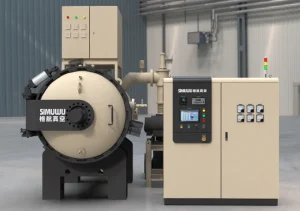
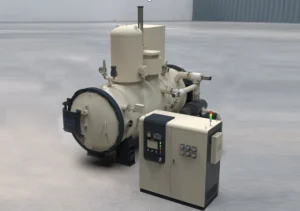
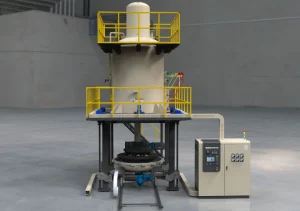
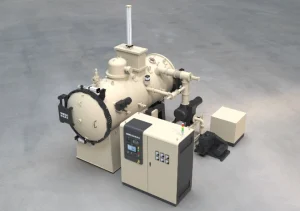
All maintenance and repairs must be performed only after the power is disconnected and the furnace body has cooled; maintenance on energized or hot equipment is strictly prohibited.
Weekly maintenance focuses on preventing contamination accumulation, checking critical electrical and vacuum components, and maintaining stable heat treatment equipment performance. Compared with daily inspections, weekly maintenance requires a more detailed examination of internal furnace conditions and auxiliary systems to reduce the risk of unexpected failures during production.
1. Blow out dust and metal spatter from the furnace chamber; clean debris from the surface of heat shields.
During regular operation, dust, metal particles, and process residues may gradually accumulate inside the furnace chamber due to material handling, thermal processing, or component wear. These contaminants can affect furnace cleanliness, heat transfer efficiency, and the stability of the heating process.
During weekly maintenance, use appropriate cleaning methods, such as clean compressed gas, to remove dust and metal spatter from the furnace chamber. The surface of heat shields should also be carefully inspected and cleaned to remove accumulated debris. Keeping the heat shield surfaces clean helps maintain consistent thermal insulation performance and prevents contamination from affecting the heating environment.
2. Inspect internal electrodes and tighten electrical connections; check the insulation status of the furnace body.
The electrical system of a vacuum furnace operates under high-temperature and vacuum conditions, making the reliability of electrical connections essential for stable operation. Weekly maintenance should include inspection of internal electrodes and related connection points to identify signs of loosening, oxidation, overheating, or abnormal wear.
All electrical connections should be checked and tightened when necessary to ensure stable current transmission. At the same time, inspect the insulation condition of the furnace body and related components to confirm that insulation materials remain intact and effective. Damaged insulation or poor electrical connections may lead to abnormal heating performance, power loss, or potential electrical safety risks.
3. Wipe vacuum gauge probes; test valves to ensure smooth operation without sticking.
Accurate vacuum measurement depends on the proper condition of vacuum gauge probes. During weekly maintenance, vacuum gauge probes should be cleaned carefully to remove dust, oil vapor deposits, or other contaminants that may affect measurement accuracy.
Vacuum valves should also be tested to ensure they open and close smoothly without sticking or abnormal resistance. Reliable valve operation is important for maintaining proper vacuum control, preventing leakage, and ensuring stable switching between different vacuum system operating stages.
4. Perform a no-load, low-temperature bake-out to remove moisture and volatile substances from the furnace.
A no-load, low-temperature bake-out is an effective method for removing accumulated moisture and volatile substances from the internal furnace environment. During operation, water vapor, oil residues, and other contaminants may gradually attach to chamber surfaces or internal components, which can increase the workload of the vacuum system and affect vacuum performance.
The bake-out process should be carried out under controlled low-temperature conditions without loading workpieces. This procedure helps release trapped moisture and volatile materials, improving furnace cleanliness and supporting more stable vacuum levels during future production cycles.
5. Blow dust out of the electrical cabinet and pump assembly to ensure proper heat dissipation.
Dust accumulation inside electrical cabinets and around pump assemblies can reduce heat dissipation efficiency and affect the operating reliability of electrical components and vacuum equipment. Weekly maintenance should include cleaning dust from these areas using suitable compressed air or other approved cleaning methods.
Maintaining clean ventilation paths helps prevent excessive temperature increases in electrical components, control systems, and pump assemblies. Proper heat dissipation supports stable operation, extends component service life, and reduces the possibility of equipment downtime caused by overheating.
Related Reading:
Vacuum Furnace Manufacturer’s Guide to Furnace Maintenance: Daily
Vacuum Furnace Manufacturer’s Guide to Furnace Maintenance: Monthly
Vacuum Furnace Manufacturer’s Guide to Furnace Maintenance: Quarterly
Vacuum Furnace Manufacturer’s Guide to Furnace Maintenance: Annual
Vacuum Furnace Manufacturer’s Guide to Furnace Maintenance: Long-term Shutdown
-
How to Enhance the Surface Brightness of Vacuum Tempered Workpieces
2026-10-13
-
Production of High-Pressure Die-Casting Molds: Application of Vacuum Gas-Quenching Furnaces
2026-10-08
-
RVGQ-557 vacuum gas-quenching furnace with an air-duct structure
2026-09-30
-

The Role of Nitrogen Partial Pressure in Vacuum Furnaces
2026-09-25
-
Factors Affecting the Quality of Vacuum Heat Treatment
2026-09-22