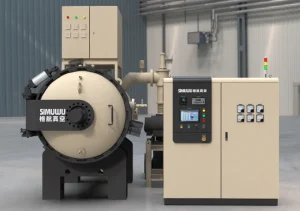
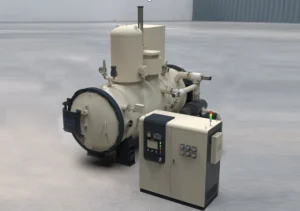
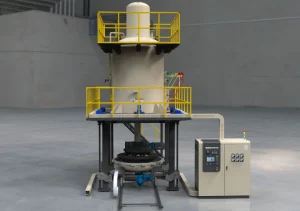
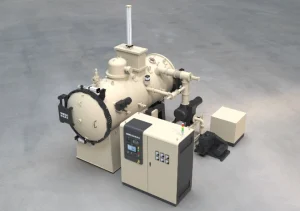
As a vacuum furnace manufacturer, we believe it is our responsibility to help customers properly maintain their equipment, ensuring stable production and reliable processing performance. Providing professional support is an essential part of our commitment as a global supplier of high-quality vacuum furnace solutions.
Beyond serving our customers, we also aim to share valuable maintenance knowledge with anyone seeking guidance. In this series, we will provide detailed vacuum furnace maintenance guides based on different maintenance intervals. Each guide will explain what actions should be taken, why they are necessary, and the potential consequences of neglecting proper maintenance.
All maintenance and repairs must be performed only after the power is disconnected and the furnace body has cooled; maintenance on energized or hot equipment is strictly prohibited.
Daily maintenance is the basic routine required to keep a vacuum furnace operating reliably and to prevent minor issues from developing into production interruptions. Operators should complete the following inspections at the beginning or end of each production shift and record any abnormal conditions for further evaluation.
1. Check cooling water pressure and temperature; ensure no leaks and that filters are unobstructed.
The cooling water system plays an essential role in protecting vacuum furnace components such as the furnace chamber, water-cooled jacket, electrodes, and vacuum system components from excessive heat accumulation. During each shift, operators should verify that the cooling water pressure and temperature remain within the specified operating range. At the same time, inspect the water pipelines, connections, and sealing points for any signs of leakage.
The cooling water filter should also be checked regularly to confirm that it is not blocked by impurities or deposits. A clogged filter can reduce water flow, decrease cooling efficiency, and potentially cause overheating of critical furnace components. Any abnormal fluctuation in water pressure, temperature, or flow rate should be recorded and investigated promptly.
2. Check vacuum pump oil level and color; ensure no emulsification, abnormal noise, or overheating.
The vacuum pump is a key component of the furnace vacuum system, and its condition directly affects pumping performance and achievable vacuum levels. Before operation, operators should check the vacuum pump oil level to ensure it remains within the recommended range.
The oil appearance should also be inspected. Normal vacuum pump oil should maintain a clear appearance, while discoloration, contamination, or emulsification may indicate moisture ingress, process contamination, or oil degradation. In addition, operators should listen for abnormal operating sounds and check whether the pump temperature is higher than normal. Unusual noise or overheating may indicate insufficient lubrication, mechanical wear, or other potential faults requiring inspection.
3. Clean the furnace door O-ring and sealing surfaces; remove dust and debris, and apply a light coating of vacuum silicone grease.
The sealing performance of the furnace door directly influences the vacuum level and process stability. Before each production cycle, the furnace door O-ring and sealing surfaces should be carefully inspected and cleaned to remove dust, metal particles, oxidation residues, or other contaminants.
A clean sealing surface helps ensure proper contact between the O-ring and sealing components, reducing the risk of vacuum leakage. After cleaning, a thin and even layer of vacuum silicone grease should be applied to the O-ring surface to maintain flexibility, reduce friction during opening and closing, and extend the service life of the sealing ring. Excessive grease should be avoided because it may attract contaminants or affect sealing performance.
4. Visually inspect the furnace chamber, heating elements, and thermocouples for damage or potential short-circuit risks.
A visual inspection of the furnace chamber and internal components should be performed regularly to identify signs of damage, contamination, or abnormal conditions. Operators should check the heating elements for cracks, deformation, oxidation, or other visible damage that may affect heating performance.
Thermocouples should also be inspected to ensure they are correctly positioned and free from visible damage. Damaged heating elements or thermocouples can lead to inaccurate temperature measurement, uneven heating, or potential electrical safety risks such as short circuits. Any abnormal condition should be documented and evaluated before continuing operation.
5. After production, pull a high vacuum to seal the furnace; record the ultimate vacuum level and equipment operating status.
After completing production, the furnace should be evacuated to a high vacuum condition according to the equipment operating procedure. Maintaining the furnace under vacuum after operation helps protect the internal chamber environment, reduce contamination from moisture and atmospheric exposure, and prepare the equipment for the next production cycle.
Operators should record the achieved ultimate vacuum level together with important equipment operating information, including abnormal conditions, maintenance activities, and operating status. These records provide valuable data for tracking furnace performance, identifying gradual changes in equipment condition, and planning preventive maintenance. Regular documentation also helps ensure stable vacuum performance and reliable long-term operation of the furnace.
Related Reading:
Vacuum Furnace Manufacturer’s Guide to Furnace Maintenance: Weekly
Vacuum Furnace Manufacturer’s Guide to Furnace Maintenance: Monthly
Vacuum Furnace Manufacturer’s Guide to Furnace Maintenance: Quarterly
Vacuum Furnace Manufacturer’s Guide to Furnace Maintenance: Annual
Vacuum Furnace Manufacturer’s Guide to Furnace Maintenance: Long-term Shutdown
-
Production of High-Pressure Die-Casting Molds: Application of Vacuum Gas-Quenching Furnaces
2026-10-08
-
RVGQ-557 vacuum gas-quenching furnace with an air-duct structure
2026-09-30
-

The Role of Nitrogen Partial Pressure in Vacuum Furnaces
2026-09-25
-
Factors Affecting the Quality of Vacuum Heat Treatment
2026-09-22
-
Application of RVGQ-557 Vacuum Gas Quenching Furnace—Gas Quenching and Tempering
2026-09-18