I. Basic Configuration
- 1. Base Material: 6061 Aluminum Alloy Waveguide
- 2. Filler Metal: Al-12Si Aluminum-Silicon Brazing Foil; Thickness: 0.06–0.10 mm
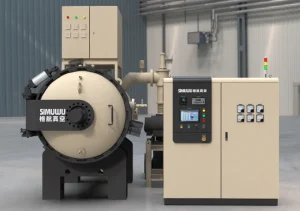
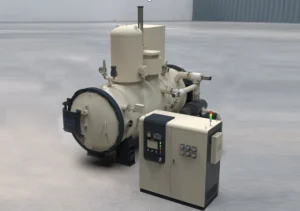
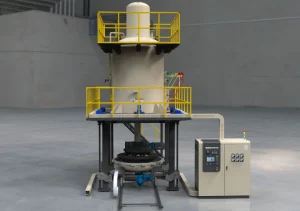
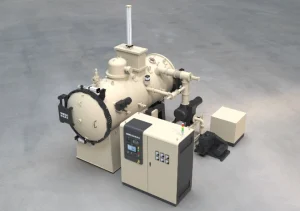
- 3. Equipment: High-Vacuum Aluminum Brazing Furnace
II. Pre-Brazing Preparation
- 1. Surface Cleaning: The surface of 6061 aluminum typically features a dense oxide film; this must be thoroughly removed prior to vacuum brazing.
- 2. Assembly Gap: Assemble the waveguide components with the filler metal. The optimal assembly gap is 0.05–0.15 mm, with a maximum limit not exceeding 0.2 mm.
- 3. Fixturing and Clamping: Utilize specialized fixtures for securing the assembly. Avoid rigid, excessive clamping pressure to prevent high-temperature deformation of the 6061 alloy and to ensure cavity dimensions remain within tolerance.
III. Vacuum Brazing Process Parameters
Vacuum Level: Ultimate Vacuum: 5 × 10⁻⁴ Pa or better; maintained throughout the entire brazing process at ≤ 5 × 10⁻³ Pa.
Temperature Profile:
- 1. Room Temperature → 300°C: 5°C/min (Slow evacuation and dehydration)
- 2. 300°C → 550°C: 3°C/min (Gradual degassing; reduces thermal stress to prevent deformation)
- 3. 550°C → 610°C: 2°C/min (Slow approach to the filler metal’s melting point)
Brazing Soak: Typically held at 608–612°C for 5–12 minutes, depending on the thickness and complexity of the waveguide.
Cooling Process: After brazing, allow the assembly to cool slowly to room temperature inside the furnace.
IV. Post-Brazing Inspection
- 1. Visual Inspection: The braze joint must be continuous and full-bodied, free from cracks or porosity.
- 2. Dimensional Verification: Re-measurement of flange flatness and internal cavity dimensions.
- 3. Leak Testing: Helium mass spectrometry leak detection to ensure compliance with RF waveguide leak rate requirements.
- 4. Structural Integrity: No deformation or signs of overheating (burning); electrical performance must remain unaffected.
V. Key Points for Process Control
- Prevention of Erosion: 6061 possesses a relatively high melting point (approximately 580–600°C, close to that of the filler metal); consequently, it is prone to erosion during brazing. To mitigate this, the heating rate must be controlled, and the holding time minimized.
- Fixture Design: Since 6061 undergoes significant softening during brazing, the fixture must be designed to safeguard the form and position tolerances of the waveguide.
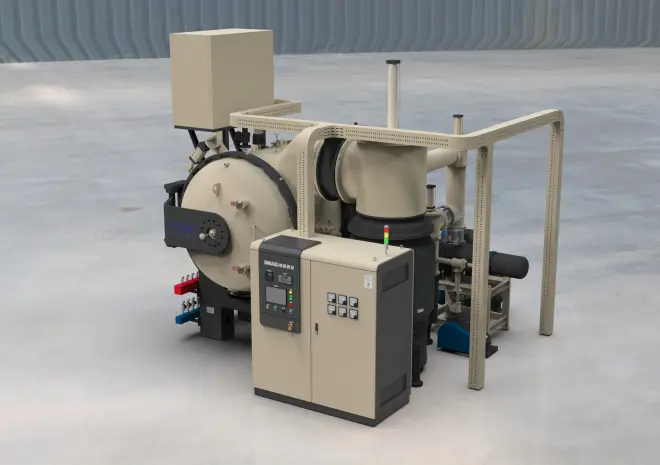
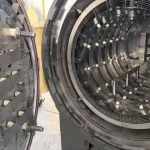
SIMUWU vacuum aluminum brazing furnaces are equipped with magnesium getters, which effectively stabilize the vacuum environment. This feature reduces contamination of the furnace walls by MgO dust, lowers the outgassing rate, ensures the stability of high vacuum levels, and prevents workpiece oxidation during the brazing process. Furthermore, it protects core components by preventing magnesium vapor from corroding heating elements and heat shields, avoids clogging of vacuum pumps and valves, and minimizes equipment malfunctions and maintenance frequency. By controlling the concentration of the magnesium atmosphere, the system safeguards brazing quality—preventing defects such as workpiece erosion and incomplete joints—while ensuring optimal filler metal wettability and weld reliability. Ultimately, this design lowers operating costs, simplifies maintenance procedures, extends the service life of spare parts, and boosts both equipment utilization and production efficiency.
The SIMUWU vacuum aluminum brazing furnace features a multi-zone independent temperature control design, achieving a temperature uniformity of ±3°C. This allows for strict adherence to specific heating rates and holding time profiles, effectively eliminating temperature overshoots and significantly enhancing product quality.
All critical components within SIMUWU vacuum aluminum brazing furnaces are sourced from internationally renowned brands, ensuring both high quality and exceptional durability. Moreover, in the event of a malfunction, the use of standard, globally recognized components facilitates rapid identification and replacement of damaged parts, thereby ensuring the uninterrupted flow of the customer’s production operations.
SIMUWU specializes in the manufacturing of vacuum furnaces, boasting over a decade of industry experience and an excellent reputation within the vacuum furnace manufacturing sector. Our product line encompasses vacuum gas quenching furnaces, vacuum oil quenching furnaces, vacuum brazing furnaces, and more; these products are widely exported to both developed and developing nations worldwide.
If you would like to learn more about our vacuum furnace equipment, please send your inquiries to contact us. Our team will be pleased to provide you with a comprehensive and satisfactory solution.
-

The Role of Nitrogen Partial Pressure in Vacuum Furnaces
2026-09-25
-
Factors Affecting the Quality of Vacuum Heat Treatment
2026-09-22
-
Application of RVGQ-557 Vacuum Gas Quenching Furnace—Gas Quenching and Tempering
2026-09-18
-
The Role and Benefits of Equipping Vacuum Furnaces with Dew Point Meters
2026-09-15
-
How to Bake Out a Vacuum Furnace After Shutdown? A Complete Restart Guide
2026-09-11