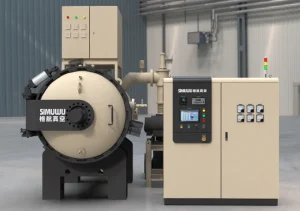
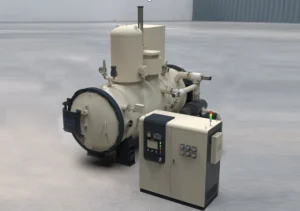
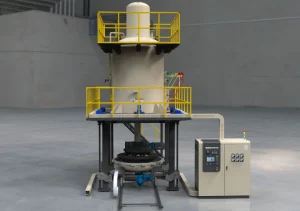
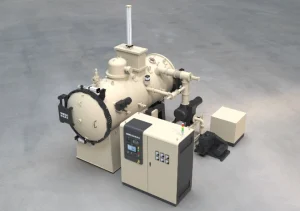
The core heating and thermal insulation components of some vacuum furnaces are made of graphite. They operate under conditions involving high-temperature cycling, low-voltage/high-current loads, high vacuum, and water cooling; consequently, various connection, sealing, and clamping structures are prone to loosening and aging due to thermal cycling. Regular inspection, maintenance, and tightening of the graphite vacuum furnace are essential prerequisites for ensuring operational safety, extending the service life of core components, and maintaining high product yield rates. The importance of these measures is highlighted in five key areas:
I. Accident Prevention and Risk Mitigation
Mitigating major safety risks and preventing accidents such as deflagration, water leakage, and electrical arcing.
1. Arcing caused by loose conductive connections
Looseness in graphite heating strips, graphite electrodes, or water-cooled electrodes creates gaps at contact surfaces, leading to arcing sparks when high currents flow through. The instantaneous extreme heat from an arc can burn through the graphite heating element and puncture the water-cooled electrode.
II. Prevention of Graphite Component Damage
Addressing graphite’s inherent brittleness and vulnerability to oxidation, deformation under pressure, and overheating at poor connections; tightening and maintenance are crucial for minimizing graphite degradation:
1. Eliminating burn damage caused by high temperatures at poor connections
Due to significant differences in thermal expansion coefficients, bolt preload diminishes during every heating and cooling cycle. This creates gaps at contact surfaces and causes a sharp rise in contact resistance; localized extreme heat then scorches graphite joints and heating strips, leading to fusing or material loss (notching). Regular cleaning of contact surfaces and uniform tightening ensure proper conductive contact, preventing heating element burn-out at the source.
2. Preventing fracture of graphite components due to mechanical stress
If support plates for heating elements or clamping strips for carbon felt insulation become loose, graphite components may shift, squeeze against each other, or collide during heating, making them prone to cracking, breakage, or detachment. Regularly tightening retaining structures secures the positions of heating elements and insulation layers, preventing mechanical stress from damaging the heating elements.
III. Workpiece Quality and Process Assurance
Stabilize Vacuum Heat Treatment Processes and Ensure Workpiece Quality.
Vacuum sintering, brazing, quenching, and annealing processes demand extremely high standards for temperature uniformity, atmosphere purity, and vacuum levels; proper fastening and maintenance are decisive factors for product quality:
1. Ensure Uniform and Stable Furnace Temperature
Secure connections for heating elements prevent loose contacts and ensure consistent circuit resistance and balanced heating power across zones. This eliminates issues such as localized overheating, slow heating rates, and excessive temperature gradients, thereby preventing workpiece defects like over-burning, uneven hardness, deformation, and cracking.
IV. Operational Cost and Energy Reduction
Reduce Energy Consumption and Equipment Maintenance Costs; Cut High Consumable Expenses.
1. Minimize Inefficient Power Loss
Loose connections generate significant heat loss due to contact resistance, leading to a marked increase in power consumption for the same process temperature. Secure fastening reduces resistance-related losses, resulting in substantial electricity savings during long-term production.
2. Replace Emergency Repairs and Overhauls with Preventive Maintenance
Regular inspections and fastening allow for the early detection of minor issues—such as bolt fatigue, gasket aging, micro-cracks in graphite, or vacuum leaks—enabling timely remediation. This prevents minor faults from escalating into major failures (e.g., burnout of entire graphite heating element assemblies, contamination or damage to vacuum units, or transformer overloads), thereby avoiding costly spare part purchases and major overhauls.
V. Production Continuity and Equipment Utilization
Enhance Equipment Utilization and Ensure Continuous Production.
Graphite vacuum heat treatment furnaces are frequently used for the batch processing of precision components, where equipment downtime incurs high costs. Routine inspection, cleaning, and fastening maintenance ensure the long-term stable operation of heating, vacuum, and water-cooling systems. This minimizes unplanned downtime, boosts equipment utilization, and increases workshop production capacity.
In graphite vacuum furnaces, conductive, sealing, clamping, and water-cooling structures inevitably experience a loss of preload, seal failure, and carbon buildup or contamination at contact surfaces due to repeated thermal cycling. Regular inspection, maintenance, and fastening are not only essential for protecting core graphite heating elements and reducing consumable waste but also serve as a fundamental safeguard against safety incidents—such as explosions, arcing, or water leaks. These actions ensure consistent product quality and minimize losses associated with energy consumption and downtime, making them indispensable steps in daily equipment management.
-
How to Bake Out a Vacuum Furnace After Shutdown? A Complete Restart Guide
2026-09-11
-
Top-and-Bottom Blast Vacuum Gas Quenching Furnace
2026-09-08
-
Vacuum Furnace Thermocouple Calibration Guide
2026-09-03
-
Double Chamber Vacuum Oil Quenching Furnace for Metal Workpiece
2026-09-01
-
Vacuum Furnace Leak Detection
2026-08-28