I. Selection of Base Materials and Brazing Fillers
1. Base Material Characteristics
The core of vacuum brazing for Inconel 718 lies in achieving a high-vacuum, oxidation-free environment; utilizing a compatible nickel-based brazing filler; maintaining precise control over temperature and joint gap; and performing simultaneous solution treatment and aging. This process yields joints characterized by high strength, high-temperature resistance, and corrosion resistance, making them widely applicable in aircraft engines, gas turbines, and high-temperature components within the chemical industry.
2. Filler Metal Selection
For flux-free vacuum brazing, nickel-based filler metals are preferred. BNi-2 is the most commonly used option; it offers excellent wettability but contains boron (B), which can easily form brittle borides. Therefore, the holding time at peak temperature should not be excessively long.
II. Pre-Brazing Preparation
- Surface Treatment: Mechanical grinding, chemical pickling, and degreasing are required to thoroughly remove oxides and oil contaminants.
- Gap Control: The ideal brazing gap is 0.05–0.15 mm. Graphite or ceramic fixtures should be used to secure the workpiece under light pressure.
- Filler Metal Pre-placement: For simple geometries, filler metal foil is placed directly within the joint gap. For complex structures or workpieces requiring precise thickness control, paste or powder forms of the filler metal are applied.
III. Vacuum Brazing Process Parameters
- 1. Vacuum Level Requirements: The ultimate cold vacuum level must be ≤ 5 × 10⁻³ Pa; the working vacuum level at high temperatures must be ≤ 1 × 10⁻² Pa to prevent high-temperature oxidation and ensure proper wetting of the filler metal.
- 2. Heating – Holding – Cooling Parameters:
- * Room Temp → 300°C: Hold for 30 minutes. Purpose: Degassing, removal of residual moisture, and uniform preheating.
- * 300°C → 950°C: Hold for 15 minutes. Purpose: Temperature equalization and reduction of thermal gradients.
- * 950°C → 1020–1040°C: Hold for 15–30 minutes. Purpose: Complete melting of the filler metal, capillary flow filling, and diffusion bonding.
- 3. Cooling:
- * 1040°C → 900°C: Slow cooling to minimize thermal stress and prevent cracking.
- * Below 900°C: Rapid cooling via backfilling with high-purity argon gas to inhibit the coarsening of borides and refine the microstructure.
- * < 200°C: Remove from the furnace to prevent high-temperature oxidation.
IV. Post-Brazing Heat Treatment
After brazing, a solution treatment followed by a double-aging treatment is mandatory to restore the strength of the base metal.
V. Common Defects and Control Measures
- 1. Incomplete Penetration or Insufficient Filling: Causes include excessive joint gaps, low vacuum levels, insufficient temperature, or short holding times. Control measures: Maintain a gap of 0.08–0.1 mm, ensure adequate vacuum levels, and ensure the peak brazing temperature is at least 10°C above the liquidus point.
- 2. Formation of Brittle Phases: Typically caused by excessively long holding times or excessively high temperatures when using BNi-2 filler metal. Control measures: Shorten the holding time or consider switching to a different filler metal. BNi-3: Optimized Cooling
- 3. Cracking and Deformation: Caused by high thermal stress, excessively rapid heating rates, or improper fixturing. Solutions include staged heating, slow cooling, the use of flexible tooling, and providing adequate expansion gaps.
- 4. Oxidation and Non-Wetting: Caused by inadequate surface cleaning or insufficient vacuum levels. Solutions include rigorous acid pickling, ultrasonic cleaning, and ensuring a stable vacuum environment at elevated temperatures.
VI. Selection of Vacuum Brazing Equipment
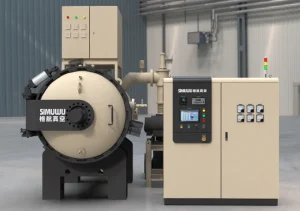
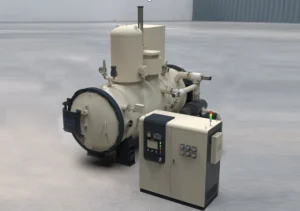
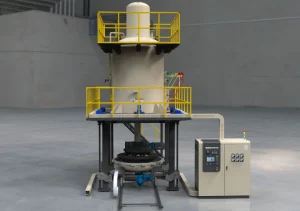
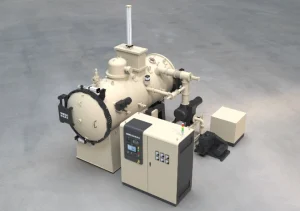
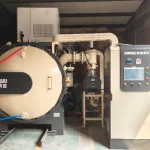
The RHVB series vacuum brazing furnaces manufactured by SIMUWU are premium products designed for the high-temperature vacuum brazing of materials such as nickel-based superalloys, copper, and stainless steel. Their exceptional temperature control precision and uniformity ensure the efficient and effective execution of the vacuum brazing process. SIMUWU specializes in the manufacturing of vacuum furnaces, boasting over a decade of relevant experience and a sterling reputation within the industry. Our product line encompasses vacuum gas quenching furnaces, vacuum oil quenching furnaces, vacuum brazing furnaces, vacuum sintering furnaces, and more; these products are widely exported to both developed and developing nations.
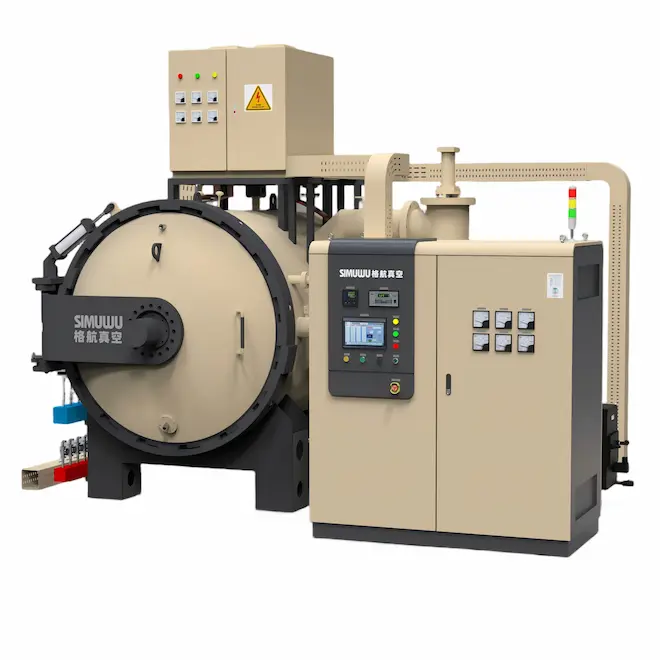
If you require further information regarding our vacuum furnace equipment, please contact us, and we will provide you with a tailored solution to meet your needs.
-
Machining of Precision Automotive Components: Application of High-Pressure Vacuum Gas Quenching
2026-10-16
-
How to Enhance the Surface Brightness of Vacuum Tempered Workpieces
2026-10-13
-
Production of High-Pressure Die-Casting Molds: Application of Vacuum Gas-Quenching Furnaces
2026-10-08
-
RVGQ-557 vacuum gas-quenching furnace with an air-duct structure
2026-09-30
-

The Role of Nitrogen Partial Pressure in Vacuum Furnaces
2026-09-25