1. Introduction
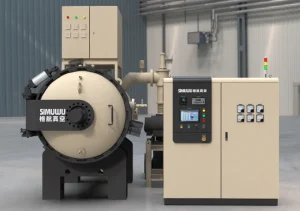
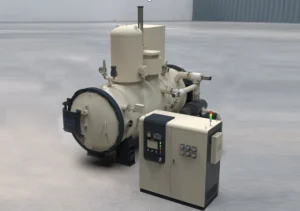
A vacuum sintering furnace is a specialized heat treatment system designed for the sintering of powder materials under controlled vacuum conditions. Sintering is a process where powder particles are heated to a temperature below their melting point, causing them to fuse and form a solid structure. By operating in a vacuum atmosphere, the furnace eliminates contamination, prevents oxidation, and improves the final properties of the sintered material, making it ideal for industries that require high-quality, durable components.
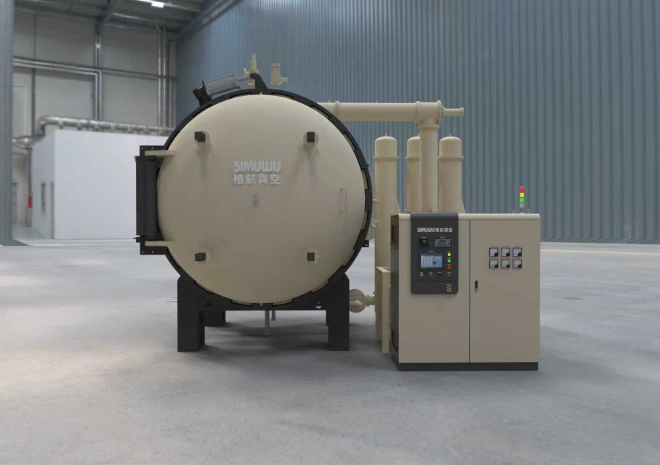
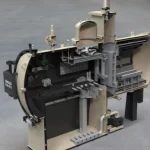
Click the image to view [Vacuum Dewaxing & Sintering Furnace]
2. Understanding Vacuum Sintering: The Key to Powder Metallurgy
Sintering is a key process in powder metallurgy, a technique widely used in producing parts from powdered materials. The vacuum sintering furnace creates a vacuum environment, which allows the parts to be heated in a controlled manner without exposure to air. This prevents oxidation and the formation of undesirable compounds, ensuring the parts maintain their integrity and surface quality. The process also allows for better control over the microstructure of the material, improving its mechanical properties such as strength, hardness, and wear resistance.
3. Why Use a Vacuum Sintering Furnace?
Using a vacuum sintering furnace offers several advantages:
- Prevention of Oxidation: The vacuum atmosphere ensures that no oxygen is present, eliminating the risk of oxidation and preserving the purity of the material.
- Improved Material Properties: Sintering in a vacuum environment leads to better material strength, durability, and overall performance, especially for critical parts.
- Clean Surface Finish: The controlled atmosphere prevents the formation of contaminants on the surface, leading to cleaner, more precise parts.
- High Precision and Control: The vacuum furnace provides accurate control over temperature and pressure, allowing for precise sintering of complex materials and parts.
4. How Does a Vacuum Sintering Furnace Work?
- Step 1: Place powdered materials into the furnace chamber and evacuate the chamber to create a vacuum environment.
- Step 2: Heat the furnace to the required sintering temperature, typically between 800°C and 1400°C, depending on the material.
- Step 3: Maintain the vacuum during heating to prevent oxidation by eliminating oxygen that could react with the material.
- Step 4: Allow the powder particles to bond together under high temperature, forming a solid structure.
- Step 5: After sintering is complete, cool the furnace and parts gradually to minimize distortion and preserve the material’s desired properties.
5. Applications of Vacuum Sintering Furnaces
Vacuum sintering furnaces are used in various industries where high precision and material quality are crucial. Some common applications include:
- Aerospace: Parts like turbine blades, aircraft engine components, and other high-strength, heat-resistant materials are sintered to meet demanding performance requirements.
- Automotive: Components such as gears, bearings, and engine parts are sintered for improved wear resistance and durability.
- Medical: Implants, surgical tools, and other medical devices are sintered to ensure biocompatibility and high performance.
- Tooling and Molds: Precision tools, die-casting molds, and cutting tools benefit from vacuum sintering to enhance hardness and wear resistance.
- Electronic Components: Vacuum sintering is also used in the production of electronic parts like capacitors, resistors, and sensors, where precision is key.
6. Advantages of Vacuum Sintering over Conventional Sintering Methods
Vacuum sintering provides several benefits over conventional sintering methods:
- Reduced Oxidation and Contamination: Traditional sintering methods often use gases or air, which can cause oxidation. Vacuum sintering ensures a contaminant-free environment for high-quality results.
- Better Control of Properties: The controlled vacuum environment allows for precise control over the sintering process, resulting in improved material properties such as strength, hardness, and density.
- Cleaner Surface Finish: The absence of air and contaminants prevents unwanted surface reactions, resulting in a cleaner finish and reducing the need for post-processing.
7. Conclusion
A vacuum sintering furnace is an essential tool in industries that require high-quality, durable materials. The vacuum environment not only prevents oxidation and contamination but also enhances the overall properties of sintered parts, making it ideal for demanding applications such as aerospace, automotive, medical devices, and tooling. By ensuring a clean, controlled atmosphere during the sintering process, manufacturers can achieve parts with superior mechanical properties and precision.

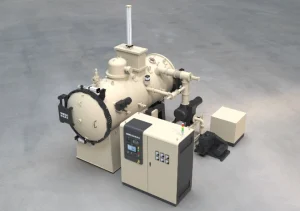
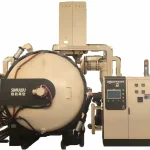
Click the image to view [Vacuum Resistance Sintering Furnace]
8. Frequently Asked Questions (FAQ)
Q: What is the difference between vacuum sintering and conventional sintering?
A: Vacuum sintering is done in a vacuum atmosphere, which prevents oxidation and contamination, while conventional sintering often uses air or other gases, leading to potential surface reactions and impurities.
Q: Can vacuum sintering be used for all materials?
A: Vacuum sintering is commonly used for metals, ceramics, and some composite materials. It is especially beneficial for high-performance alloys, aerospace components, and materials requiring precise mechanical properties.
Q: How does vacuum sintering improve material properties?
A: The vacuum environment prevents oxidation and contamination, leading to better bonding between particles and improved mechanical properties, such as increased hardness, strength, and wear resistance.
Q: Why is vacuum sintering preferred in critical industries?
A: The controlled atmosphere of vacuum sintering ensures that parts meet stringent performance and quality standards required in industries like aerospace, automotive, and medical devices.
Q: How long does the vacuum sintering process take?
A: The sintering process can take anywhere from a few hours to several hours, depending on the material, the desired properties, and the complexity of the part being sintered.
-
How Much Does an Industrial Vacuum Furnace Cost?
2026-03-11
-
SIMUWU Up-and-Down Air-Blowing Structure Furnace: Meeting Rigorous Heat Treatment Requirements
2026-03-10
-
How Advanced Vacuum Control Systems Reduce Vacuum Furnace Energy Consumption
2026-03-09
-
Vacuum vs. Conventional Heat Treatment Comparison
2026-03-06
-
Brief Description of Vacuum Quenching Process for H13 Aluminum Extrusion Dies
2026-03-05