Conventional atmosphere-based methods—such as gas carburizing, salt bath hardening, and oil quenching—were developed during periods when environmental impact was not a primary concern. These processes rely heavily on combustion gases, chemical process media, and open heat-treatment environments that generate emissions and industrial waste.
1. Environmental and Safety Challenges in Conventional Heat Treatment
Vacuum heat treatment represents a technological transition toward cleaner and more controlled manufacturing. By operating within sealed chambers under low pressure, vacuum furnaces eliminate many of the pollution sources inherent to traditional heat treatment.
Traditional heat treatment typically uses atmosphere-controlled furnaces or open systems in which reactive gases or liquids are introduced to control metallurgical reactions. Common technologies include:
- ● Gas carburizing furnaces
- ● Atmosphere annealing furnaces
- ● Salt bath furnaces
- ● Oil quenching systems
Conventional heat treatment methods—such as salt bath hardening, gas carburizing, or oil quenching—present significant environmental and safety challenges.
- Toxic Chemical Residues: Salt bath technology utilizes mixtures like barium chloride (BaCl₂), sodium chloride (NaCl), and magnesium fluoride. These create hazardous residues on workpiece surfaces that require aggressive post-processing.
- Hazardous Wastewater: To remove salts, components undergo alkaline washes (with NaOH) or acid pickling (with 20% HCl). These chemical streams generate large volumes of toxic wastewater that require expensive neutralization.
- High Carbon Footprint: Traditional atmosphere furnaces often rely on flammable gases like CO and H₂, releasing hundreds of tons of CO₂ into the atmosphere annually. Furthermore, these furnaces often stay at temperature 24/7 to maintain thermal equilibrium, wasting significant energy.
2. Vacuum Heat Treatment: A Technological Transition to Clean Production
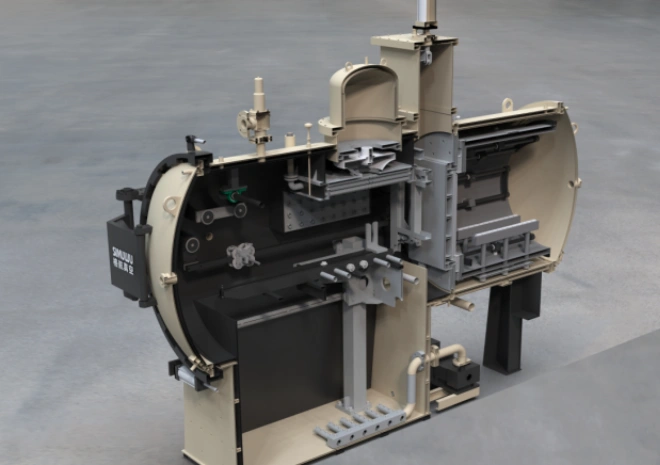
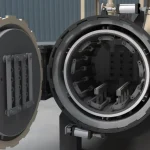
Vacuum heat treatment changes the entire process environment. Instead of introducing gases or liquids to control reactions, the furnace chamber is evacuated to create a controlled low-pressure environment.
Key characteristics of vacuum processing include:
- ● Sealed furnace chambers operating under vacuum conditions
- ● Electric resistance or radiation heating rather than combustion
- ● Inert gas quenching instead of oil-based quenching
- ● Minimal use of chemical process media
Because oxygen is largely removed from the chamber, oxidation and decarburization are significantly reduced. Components exit the furnace with clean, bright surfaces, often eliminating the need for sandblasting, pickling, or chemical cleaning.
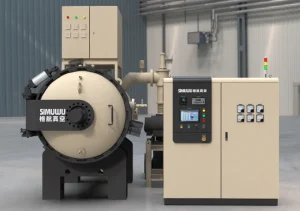
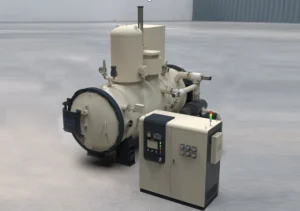
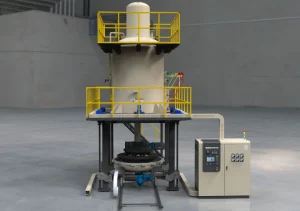
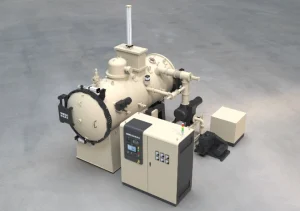
Industrial equipment such as Vacuum Gas Quenching Furnaces, Vacuum Annealing Furnaces, Vacuum Carburizing Furnaces, and High Temperature Vacuum Brazing Furnaces form the core of modern vacuum heat-treatment technology.
3. Comparing Atmospheric Emissions and Carbon Footprint
The environmental friendliness of vacuum technology can be evaluated through several key factors: emissions, energy consumption, process media usage, and resource efficiency.
One of the most significant differences between vacuum and conventional heat treatment lies in atmospheric emissions.
Traditional atmosphere furnaces release combustion gases and reaction by-products into the surrounding environment. These emissions often contain carbon dioxide, nitrogen oxides, and unburned hydrocarbons. Facilities must therefore install exhaust treatment systems and emissions monitoring equipment to meet regulatory requirements.
Vacuum heat treatment systems operate inside sealed chambers without combustion or open flames. As a result, furnace-generated emissions are greatly reduced. Many vacuum installations produce negligible direct CO₂ emissions during the heat-treatment cycle itself, significantly lowering their environmental footprint.
4. Energy Efficiency and Thermal Performance in Vacuum Systems
Energy consumption represents another major factor in environmental sustainability.
Vacuum furnaces often incorporate:
- ● High-efficiency electric heating elements
- ● Multi-layer insulation structures within the hot zone
- ● Precise digital temperature control systems
- ● Reduced heat loss due to vacuum conditions
These design features improve thermal efficiency and reduce overall energy consumption per production cycle. Industrial studies indicate that vacuum furnaces can reduce energy use by approximately 20–30% compared with many traditional atmosphere furnaces. In optimized designs with advanced insulation and process control, savings may approach 30–50%.
5. Reduction of Hazardous Process Media and Chemical Waste
Conventional heat treatment frequently relies on process media that generate waste or pollution.
Examples include:
- ● Quenching oils producing fumes and smoke
- ● Chemical salts used in salt bath treatments
- ● Carburizing gases requiring continuous supply
- ● Cleaning chemicals used to remove scale or residues
Vacuum technology significantly reduces or eliminates many of these consumables.
Gas quenching using nitrogen or argon replaces oil quenching in many applications. These inert gases are non-toxic and do not produce fumes or hazardous residues. After cooling cycles, they can often be recycled within the system.
Additionally, because oxidation is minimized in vacuum environments, scale formation is greatly reduced. This eliminates many post-treatment cleaning processes and the associated chemical waste streams.
6. Resource Efficiency and Surface Integrity Optimization
Vacuum heat treatment also improves resource efficiency by preserving surface integrity and reducing dimensional distortion.
Without oxidation or decarburization, parts maintain higher surface quality and require less finishing work. This leads to:
- ● Reduced grinding and machining operations
- ● Lower material loss from scale removal
- ● Reduced scrap rates
Improved surface integrity can increase usable material yield by roughly 10–15% in some applications. Reduced distortion also decreases energy consumption in downstream machining and finishing operations.
7. Typical Industrial Applications
Vacuum heat treatment technologies are widely used in industries where both environmental performance and metallurgical precision are critical.
Typical applications include:
- ● Aerospace alloy heat treatment
- ● Tool steel hardening and tempering
- ● Powder metallurgy sintering
- ● Precision vacuum brazing
- ● Advanced carburizing and diffusion processes
Different furnace systems support these applications. For example:
- Vacuum Gas Quenching Furnaces replace traditional oil quenching tanks.
- Vacuum Carburizing Furnaces enable low-pressure carburizing with reduced emissions.
- Vacuum Resistance Sintering Furnaces support powder metallurgy without atmospheric contamination.
- High Temperature Vacuum Brazing Furnaces eliminate flux residues and related cleaning steps.
These technologies allow manufacturers to meet strict quality standards while maintaining cleaner production environments.
8. Regulatory Pressure and Sustainability Goals
The adoption of vacuum heat treatment is increasingly influenced by environmental regulations and corporate sustainability strategies.
Key drivers include:
- ● Industrial decarbonization initiatives
- ● ISO 14001 environmental management systems
- ● Energy efficiency standards in manufacturing
- ● Workplace safety improvements
Organizations such as the U.S. Environmental Protection Agency promote emission reduction and energy efficiency across industrial sectors. Vacuum heat treatment aligns with these goals by reducing air pollution, minimizing hazardous waste, and improving overall energy performance.
9. Limitations and Appropriate Use Cases
Despite its advantages, conventional heat treatment methods remain relevant in certain industrial scenarios.
Examples include:
- ● High-volume production with strong cost constraints
- ● Processes requiring reactive atmospheres for specific metallurgical reactions
- ● Existing production lines built around legacy furnace infrastructure
However, as environmental standards continue to tighten and product quality requirements increase, vacuum heat treatment is gradually replacing traditional methods in many high-value manufacturing sectors.
10. FQA
Q: Is vacuum heat treatment more environmentally friendly than conventional heat treatment?
A: Vacuum heat treatment significantly reduces emissions, eliminates many chemical process media, and improves energy efficiency compared with traditional atmosphere heat treatment processes.
Q: Why does vacuum heat treatment produce fewer emissions?
A: The process occurs in a sealed low-pressure chamber without combustion gases or open flames, preventing most pollutant formation.
Q: Does vacuum heat treatment reduce energy consumption?
A: Advanced insulation and precise temperature control enable many vacuum furnaces to reduce energy consumption by roughly 20–50% depending on system configuration and operating conditions.
Q: Which industries benefit most from vacuum heat treatment?
A: Industries requiring high metallurgical quality and clean processing environments—such as aerospace, automotive, tool manufacturing, powder metallurgy, and electronics—benefit significantly from vacuum heat-treatment technology.
-
Brief Description of Vacuum Quenching Process for H13 Aluminum Extrusion Dies
2026-03-05
-
The Difference Between Solution and Anneal in Heat Treatment
2026-03-04
-
How Vacuum Levels Are Measured: Vacuum Gauge and Sensors
2026-03-02
-

Operation & Maintenance of Industrial Vacuum Furnaces
2026-02-28
-
The role of magnesium getters in vacuum aluminum brazing stability
2026-02-27