1.Overview of Vacuum Furnace Systems
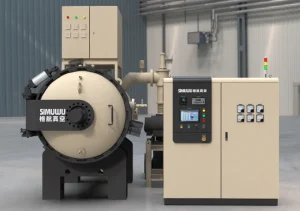
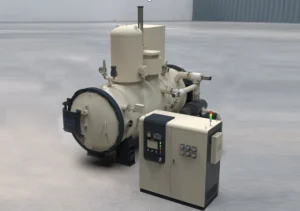
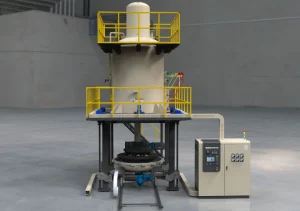
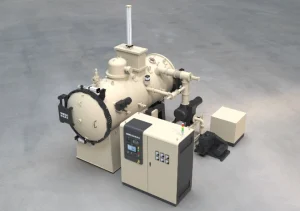
Vacuum furnace systems are essential equipment for high-precision heat treatment, sintering, brazing, and annealing processes. They create a controlled vacuum environment, eliminating oxidation and ensuring uniform temperature distribution. These systems remain critical for aerospace, automotive, medical, and tooling industries.
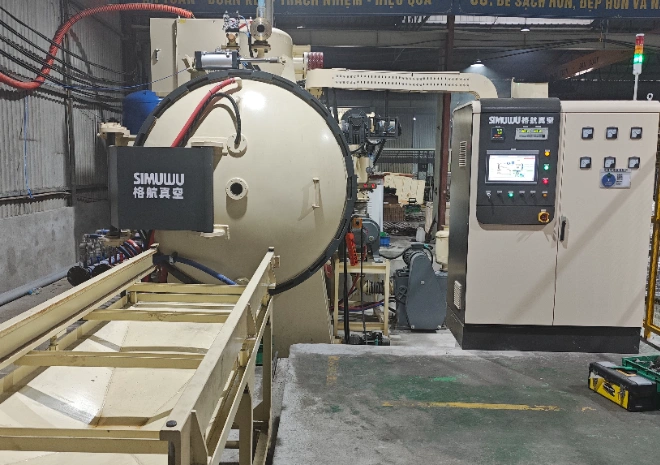
2.Factors Affecting Vacuum Furnace Systems Price
Furnace Type and Specifications:
Prices vary depending on whether you select single-chamber, multi-chamber, or high-temperature furnaces. Advanced features like rapid cooling or multi-stage heating add to the cost.
Chamber Size and Capacity:
Larger chambers can handle bigger loads, but also increase material, energy, and production costs. Small-batch systems are less expensive but may limit scalability.
Temperature Range and Control Precision:
Higher maximum temperatures and tighter temperature uniformity require more advanced heating elements and control systems, which increases the price.
Energy Efficiency and Technology Level:
Modern vacuum furnaces use energy-efficient designs and automation technology, reducing operating costs but adding to the initial investment.
Customization and Automation Features:
Custom solutions, including automated loading/unloading, PLC controls, and integration with factory management systems, affect the final price significantly.
3.Supplier Selection: Key Considerations
When selecting a supplier, consider:
- Experience and reputation in producing high-quality vacuum furnace systems.
- After-sales support and availability of spare parts.
- Compliance with international standards for safety and performance.
- Global delivery and installation services.
4.Comparing Global Suppliers vs. Chinese Manufacturers
Global Suppliers: Often have high brand recognition and advanced technology but come at a premium price.
Chinese Manufacturers (e.g., SIMUWU): Provide cost-effective solutions, strong customization options, and competitive quality for international standards.
5.Why Choose SIMUWU Vacuum Furnace Systems
SIMUWU is a leading manufacturer from China, offering:
- Competitive pricing without compromising quality.
- Custom solutions for various industrial applications.
- Strong global service network and technical support.
- Proven reliability in Europe, Asia, and other markets.
6.Advantages and Disadvantages of Vacuum Furnace Systems
Advantages:
- Clean, oxidation-free processing environment.
- High precision in temperature and pressure control.
- Suitable for advanced materials and critical components.
Disadvantages:
- Higher initial investment than traditional furnaces.
- Requires skilled operation and maintenance.
7.The Bottom Line
Understanding the price factors and supplier options is critical for selecting the right vacuum furnace system in 2025. Choosing a trusted manufacturer like SIMUWU from China ensures quality, reliability, and excellent after-sales service while keeping costs manageable.
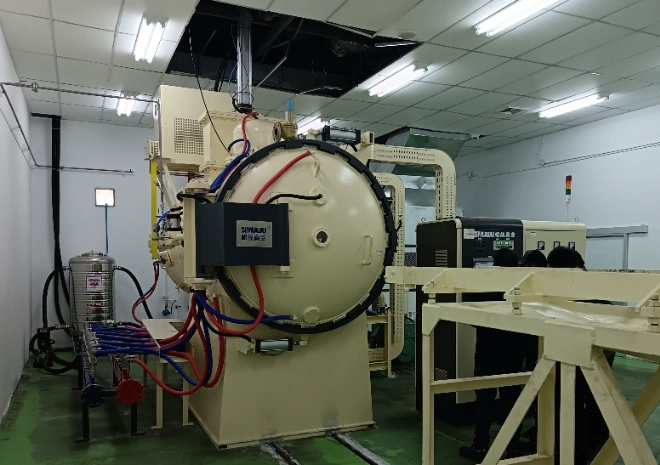
8.Frequently Asked Questions (FAQ)
Q: What is the typical price range for vacuum furnace systems in 2025?
A: Prices vary from $50,000 for small single-chamber systems to over $500,000 for high-capacity, multi-chamber industrial units.
Q: What factors most influence vacuum furnace pricing?
A: Furnace type, chamber size, temperature range, energy efficiency, and automation features.
Q: Are Chinese manufacturers reliable for vacuum furnace systems?
A: Yes, companies like SIMUWU provide high-quality, ISO-compliant systems suitable for global markets.
Q: How do energy-efficient designs affect costs?
A: They increase initial investment but reduce long-term operating expenses.
Q: Can vacuum furnaces be customized?
A: Yes, manufacturers like SIMUWU offer custom chamber sizes, control systems, and automation options.
Q: What industries commonly use vacuum furnace systems?
A: Aerospace, automotive, medical device manufacturing, tooling, and electronics.
Q: Is after-sales service important?
A: Absolutely. Reliable maintenance and spare parts supply minimize downtime and ensure consistent performance.
Q: How do global suppliers compare to Chinese manufacturers?
A: Global suppliers may have higher brand recognition and premium pricing, while Chinese manufacturers like SIMUWU offer competitive prices with strong quality control.
Q: How long do vacuum furnace systems last?
A: With proper care, systems can operate efficiently for 10–20 years or more.
Q: Are there any drawbacks to using vacuum furnace systems?
A: They require higher upfront investment and skilled operators compared to conventional furnaces.
-
How Much Does an Industrial Vacuum Furnace Cost?
2026-03-11
-
SIMUWU Up-and-Down Air-Blowing Structure Furnace: Meeting Rigorous Heat Treatment Requirements
2026-03-10
-
How Advanced Vacuum Control Systems Reduce Vacuum Furnace Energy Consumption
2026-03-09
-
Vacuum vs. Conventional Heat Treatment Comparison
2026-03-06
-
Brief Description of Vacuum Quenching Process for H13 Aluminum Extrusion Dies
2026-03-05