The role of magnesium getters in vacuum aluminum brazing stability is multifaceted, acting as both an atmosphere purifier and a disruptor of the resilient aluminum oxide layer. In fluxless vacuum environments, magnesium is the critical agent that ensures process consistency, removes residual gases, and enables reliable metallurgical bonding for high-value components.
1. The Fundamentals of Magnesium as a Chemical Getter
Magnesium serves as a critical “getter” material in vacuum brazing by reacting with residual gases that could otherwise contaminate the brazing environment. Even at high vacuum levels, trace amounts of oxygen (O₂) and water vapor (H₂O) remain present within the furnace. These impurities can oxidize aluminum surfaces instantly, preventing the filler metal from wetting the base material.
The term “getter” refers to the ability of magnesium to chemically scavenge these oxidizing species. By forming stable magnesium oxides (MgO), the magnesium vapor effectively “dries” the furnace atmosphere. This creates a localized, ultra-pure environment essential for the flow of aluminum-silicon filler alloys. This dual action of oxygen scavenging and oxide disruption underpins the role of magnesium in stabilizing the brazing environment.
2. Mechanism of Oxide Film Disruption
The primary technical challenge in aluminum joining is the tenacious aluminum oxide (Al₂O₃) layer. Magnesium is the primary agent used to penetrate and break down this barrier during the heating cycle without the use of corrosive fluxes.
At temperatures exceeding 550°C, magnesium vapor reacts directly with the aluminum oxide layer. This chemical reaction weakens the bond between the oxide and the aluminum substrate. As the magnesium reduces the alumina, the film cracks and peels away, exposing the fresh aluminum surface underneath. This exposure allows the molten filler metal to make direct contact with the substrate, ensuring a robust metallurgical bond and uniform joint penetration.
3. Thermodynamics: Vapor Pressure and Volatilization
Magnesium has a high vapor pressure relative to aluminum. Under vacuum conditions typical of aluminum brazing, magnesium begins to sublime or volatilize at temperatures around 570°C (1050-1060°F), depending on the vacuum level and alloy composition.
The vaporized magnesium forms a reactive “cloud” that actively engages residual gases throughout the complex geometries of the workpiece. However, this volatilization creates a transient gas load, often referred to as a “magnetic burst.” The vacuum pumping system must be specifically designed to accommodate this sudden surge in pressure to maintain the required [Vacuum Level, Leak Rate, and Control in Vacuum Furnaces] necessary for process stability.
4. Maintaining Atmosphere and Vacuum Stability
The stability of the vacuum aluminum brazing process depends on maintaining a specific partial pressure of magnesium vapor throughout the “soak” period. If magnesium levels are inadequate, the results include incomplete wetting, “balling up” of the filler metal, and high porosity within the fillet. To ensure repeatable results, engineers must control several variables:
- Magnesium Concentration: Usually maintained between 1.0% and 2.0% in the filler metal or through auxiliary getter blocks.
- Heating Rate: A controlled ramp-up prevents premature magnesium depletion (subliming and being pumped away) before the filler reaches its liquidus state.
- Vacuum Level: Consistent levels (typically 10⁻⁴ to 10⁻⁵ mbar) ensure the mean free path of magnesium atoms is sufficient to reach the joints.
Effective [Temperature Control] is paramount here; if the temperature is non-uniform, magnesium will sublime unevenly, leading to inconsistent joint quality across the batch.
5. Equipment Considerations for Magnesium Management
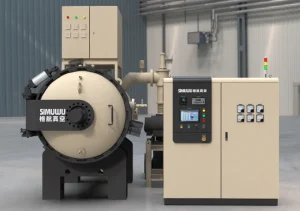
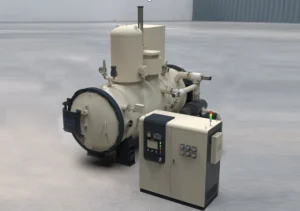
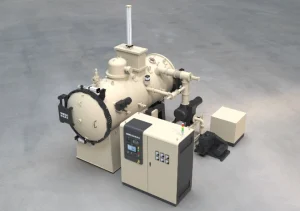
Efficient magnesium gettering requires specialized equipment like the High Temperature Vacuum Brazing Furnace. These systems are designed to handle the volatile nature of magnesium vapor and prevent it from damaging sensitive furnace components.
Key design features include:
- Dedicated Condensation Traps: These capture magnesium vapor before it reaches the vacuum pumps, preventing mechanical failure.
- Multi-zone Temperature Control: Ensures uniform sublimation across large batches, as detailed in our guide on [Multi-zone Heating Architecture].
- Stainless Steel Internals: Selected to resist the corrosive effects of magnesium deposition over time.
- Maintenance Protocols: Regular cleaning of heat shields is necessary to prevent electrical short circuits caused by condensed magnesium residues.
6. FAQ
Q: Can aluminum be brazed in a vacuum without magnesium?
No. Aluminum oxide is too stable to be removed by vacuum or heat alone. Magnesium is essential to chemically disrupt the oxide layer and prevent re-oxidation during the cycle.
Q: Is the magnesium getter always part of the filler metal?
While most brazing sheets include magnesium in the cladding, extra magnesium “getters” (chips or blocks) are often placed inside the chamber to further purify the atmosphere for critical aerospace components.
Q: What happens if the magnesium sublimes too early?
If the heating rate is too slow, the magnesium may sublime and be pumped away before the filler metal melts. This leaves no magnesium to break the oxide layer when the filler flows, resulting in brazing failure.
Q: How does magnesium affect vacuum pump stability?
Magnesium vapor creates a transient gas load. If the vacuum system is under-sized, this “burst” can cause the vacuum level to degrade, leading to oxidation of the parts.
Q: Are there safety concerns with magnesium residues?
Yes. Condensed magnesium powder is highly reactive and can be flammable. Maintenance staff must follow specific safety protocols when cleaning the furnace and disposing of residues.
In summary, the role of magnesium getters in vacuum aluminum brazing stability is the cornerstone of successful, fluxless aluminum joining. By managing the sublimation and chemical scavenging of magnesium, manufacturers can achieve high-strength, leak-proof bonds in heat exchangers and aerospace assemblies. For advanced thermal processing solutions, explore our range of Vacuum Heat Treatment Furnaces.
Contact us today to optimize your aluminum brazing process.
-
How Vacuum Levels Are Measured: Vacuum Gauge and Sensors
2026-03-02
-

Operation & Maintenance of Industrial Vacuum Furnaces
2026-02-28
-
Application of vacuum sintering furnace in titanium alloy
2026-02-26
-
Vacuum Level, Leak Rate, and Control in Vacuum Furnaces
2026-02-25
-
Muffle Furnace vs Vacuum Furnace: Key Differences
2026-02-24