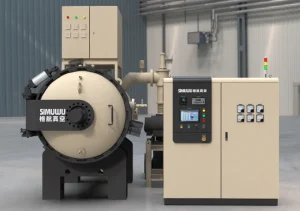
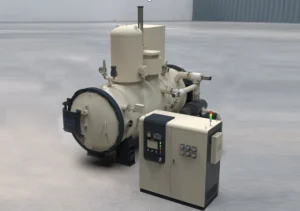
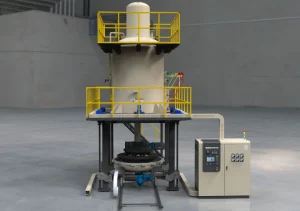
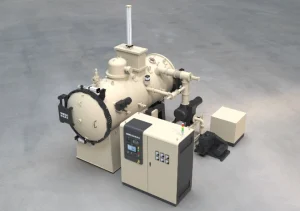
Reliable industrial vacuum furnace operation requires a rigorous commitment to safety, technical precision, and proactive care. Proper operation and maintenance of industrial vacuum furnaces, including handling the vacuum chamber, hot zone, and heating elements, are essential for ensuring metallurgical consistency and extending equipment lifespan. This guide outlines the critical protocols for maintaining peak performance in high-stakes thermal processing environments.
1. Principles of Industrial Vacuum Furnace Operation
Effective industrial vacuum furnace operation begins with a comprehensive pre-start checklist to ensure all integrated subsystems are functional. Operators must verify the cooling water pressure, compressed air supply, and primary power source before initiating any thermal cycle. Monitoring key parameters such as chamber pressure, temperature, and heater current in real time is necessary to detect abnormal conditions promptly and maintain process stability.
Safe operation mandates that personnel receive training in specific procedures for loading workpieces and observing temperature ramp schedules. Overloading the chamber beyond design limits or opening the furnace during operation is strictly prohibited to avoid equipment damage. For high-precision heat treatment, systems like the [Vacuum Heat Treatment Furnace] rely on these strict operational boundaries to deliver repeatable results.
2. How to Operate a Vacuum Furnace Efficiently
Understanding how to operate a vacuum furnace involves mastering the startup sequence and atmospheric transitions. The sequence typically begins with a mechanical pump-down to reach the roughing vacuum stage before engaging high-vacuum components like diffusion or molecular pumps. Maintaining the correct sequence prevents oil back-streaming and protects the internal [Vacuum Gas Quenching Furnace] components from contamination.
Following established ramp rates for heating is crucial to avoid thermal shock to the load and the furnace’s internal structures. During the cooling phase, managing gas injection pressures and blower speeds ensures uniform hardness across the batch. Operators must refer to technical guides on [managing vacuum level and leak rate in vacuum furnaces] to ensure the environment remains pristine throughout the cycle.
3. Vacuum Furnace Maintenance Best Practices
Comprehensive vacuum furnace maintenance is the cornerstone of operational stability and prevents costly unscheduled downtime. Maintenance tasks are generally categorized into daily visual inspections, weekly performance checks, and deep-clean quarterly overhauls. Regularly replacing exhaust filters and checking the condition of vacuum oils ensures that the pumping system operates at peak efficiency.
Key maintenance activities include testing for vacuum leaks using helium mass spectrometry and calibrating temperature sensors to maintain temperature control accuracy. A leak (rate-of-rise) test is essential to verify that the vacuum vessel and pumping system maintain designed vacuum levels before initiating a cycle. Maintaining a clean internal environment prevents the accumulation of volatiles that can outgas during heating.
4. Furnace Hot Zone: Core Inspection and Care
The furnace hot zone is the most sensitive and expensive component of the system, requiring meticulous care and frequent inspection. This area houses the heating elements and insulation packages, which are subject to extreme thermal cycling. Failures in this area directly affect thermal uniformity control, leading to inconsistent part quality.
Inspect the heating elements for signs of sagging, brittleness, or localized melting, which may indicate arcing or contamination. Insulation materials, whether graphite felt or metallic molybdenum shields, must be checked for degradation or cracking to ensure energy efficiency. Regular bake-out cycles help remove contaminants and prevent element degradation while preserving the hot zone’s integrity.
5. Managing the Vacuum Chamber with Heater Elements
A vacuum chamber with heater integration requires specific focus on electrical feedthroughs and vacuum seals to prevent atmosphere ingress. The chamber walls should be kept free of carbon deposits or metal vapors that sublime during processes like brazing or sintering. For processes involving volatile alloys, refer to the guide on [magnesium getters in vacuum aluminum brazing] to understand how to manage metallic vapors.
O-rings and gaskets are critical failure points; these should be cleaned and lightly lubricated with high-vacuum grease during every maintenance cycle. External inspection of cooling water lines and heat exchangers ensures proper thermal management to avoid overheating and potential damage to chamber walls. Proper care of the vacuum chamber and heater system preserves the vacuum quality required for high-precision manufacturing.
6. FAQ
Q: How often should I perform a leak test on my vacuum furnace?
A: This mainly depends on the type of operation and the frequency of use. A leak rate test should be performed weekly, monthly, or after any maintenance that involves opening the vacuum seals. An increase in the leak-back rate usually indicates a failing O-ring or a hairline crack in the bellows.
Q: What is the most common cause of heating element failure?
A: Surface contamination from workpieces and arcing caused by carbon buildup are the primary causes. Ensuring parts are thoroughly degreased before loading can significantly extend the life of the furnace hot zone.
Q: Can I use standard motor oil in my vacuum pumps?
A: No, vacuum pumps require specialized oils with low vapor pressure. Standard oils will cause excessive outgassing, preventing the furnace from reaching high vacuum and potentially damaging pump internals.
Q: How do I clean the interior of a vacuum chamber with heater elements?
A: Use a vacuum cleaner with a HEPA filter to remove loose dust, followed by a wipe-down with high-purity isopropyl alcohol. Never use water or abrasive cleaners inside the hot zone as they can damage insulation.
Q: What checks are needed before starting industrial vacuum furnace operation?
A: Operators must check vacuum system seals, verify cooling water and air pressure, ensure electrical connections are secure, and confirm the load is placed stably before initiating evacuation.
Maintaining peak performance in thermal processing requires both skilled industrial vacuum furnace operation and proactive care. By adhering to a strict vacuum furnace maintenance schedule, facilities can ensure the reliability of their furnace hot zone and vacuum systems. For industry-standard safety and maintenance guidelines, consult the [Industrial Heating Equipment Association (IHEA)].
-
How Vacuum Levels Are Measured: Vacuum Gauge and Sensors
2026-03-02
-
The role of magnesium getters in vacuum aluminum brazing stability
2026-02-27
-
Application of vacuum sintering furnace in titanium alloy
2026-02-26
-
Vacuum Level, Leak Rate, and Control in Vacuum Furnaces
2026-02-25
-
Muffle Furnace vs Vacuum Furnace: Key Differences
2026-02-24