1. The Role of Intelligent Control Systems in Reducing Energy Consumption
Intelligent vacuum control systems are designed to optimize energy usage in heat treatment processes. Unlike traditional systems that operate vacuum pumps and heaters at fixed rates, advanced systems adjust power delivery based on real-time conditions such as temperature, vacuum pressure, and process stages. This dynamic control ensures that energy is only consumed when necessary, preventing the waste associated with constant full-power operation.
By continuously monitoring process parameters and adjusting the furnace’s operations, these systems minimize fluctuations in temperature and pressure, reducing excess energy consumption during long soak periods and idle times. This precise regulation of energy use leads to substantial reductions in Vacuum Furnace Energy Consumption, especially during phases where lower energy levels are sufficient to maintain the desired conditions.
2. Hardware Innovations Driven by Control Logic
The reduction in energy consumption is not solely achieved through advanced software algorithms but also through innovations in furnace design. The integration of variable frequency drives (VFDs) and high-efficiency insulation materials allows the control systems to operate at maximum efficiency.
2.1 Optimized Thermal Insulation and Multi-Zone Heating
Multi-Zone Heating is a critical innovation in vacuum furnaces. This approach divides the furnace chamber into separate zones, each with its own temperature control. By adjusting the heating power of each zone based on real-time requirements, this system prevents over-heating in sections of the furnace that do not need as much energy. This results in more efficient energy usage and reduced heat loss, helping to keep overall energy consumption to a minimum.
2.2 Power Factor Optimization and Transformer Efficiency
Advanced vacuum control systems also focus on optimizing the power factor of the furnace’s electrical components, particularly during high-current applications like sintering. Utilizing thyristor-controlled (SCR) systems instead of traditional contactors provides a smooth and continuous flow of energy to the furnace, minimizing reactive power strain on the electrical grid. This results in more efficient energy use and lowers the total cost per cycle.
3. Reducing Energy During Vacuum Pumping and Quenching Phases
Vacuum pumps and quenching fans are essential but significant energy consumers in vacuum furnaces. Traditional systems often operate pumps and fans at full speed, even when only partial capacity is needed. Advanced control systems use “Smart Pumping” technology to optimize the performance of these mechanical components. By modulating the speed of vacuum pumps and fans in response to real-time conditions, these systems reduce unnecessary energy expenditure.
For example, in a Vacuum Gas Quenching Furnace, cooling fans adjust their speed according to the cooling requirements of the material. This intelligent control ensures the fan operates at only the necessary capacity, resulting in energy savings of up to 30% during the cooling phase.
4. Energy Efficiency Comparison Across Different Furnace Types
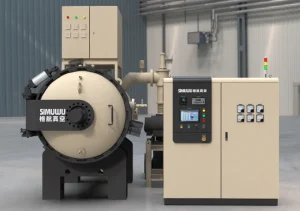
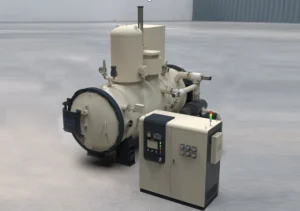
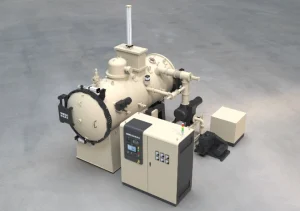
Different vacuum furnace types utilize various energy-saving technologies to optimize efficiency based on their specific processes. The following table outlines how different furnaces incorporate advanced control systems to improve energy efficiency:
| Furnace Type | Key Energy-Saving Technology |
| Dual-chamber Vacuum Oil Quenching Furnace | Isolated cold/hot zone management |
| Vacuum Carburizing Furnace | Pulse gas injection control |
| Vacuum Resistance Sintering Furnace | Automated ramping logic |
These energy-saving measures optimize heating cycles, cooling speeds, and vacuum conditions, resulting in a reduction of overall energy consumption.
5. Optimizing Process Cycles and Waste Heat Recovery
Vacuum control systems also enhance energy efficiency by optimizing process cycles and recovering waste heat. By predicting when certain phases of the cycle can be shifted to off-peak periods with lower energy costs, systems further reduce energy use without affecting throughput.
Additionally, some systems incorporate waste heat recovery, capturing excess heat from exhaust gases or the chamber walls to preheat incoming workpieces or support auxiliary processes. This reduces the need for external heating and helps to lower the furnace’s net energy demand.
6. Vacuum Furnace Energy Reduction Benefits
Integrating intelligent control systems into vacuum furnace operations has proven to deliver substantial energy savings. Research indicates that optimizing vacuum control can reduce energy consumption by 10–30%, depending on the specific furnace design and operating conditions. In large-scale operations, these energy savings can translate into significant cost reductions annually, contributing to lower utility costs and improved sustainability metrics.
7. FAQ
Q : How does vacuum level affect energy consumption?
A: Higher vacuum levels require more frequent or higher-speed pumping. By optimizing control systems to maintain only the necessary vacuum level for a specific process, energy usage can be reduced during pumping cycles.
Q : Can older vacuum furnaces be retrofitted with these control systems?
A: Yes, retrofitting older vacuum furnaces with modern control systems, including PLCs and variable frequency drives (VFDs), is an effective way to reduce energy consumption without replacing the entire furnace.
Q : What role does gas management play in energy savings?
A: In processes like nitriding or carburizing, precise gas flow control ensures that processed gases are used efficiently, minimizing waste and reducing the energy required to heat excess gas entering the chamber.
Advanced vacuum control systems are crucial for reducing energy consumption in vacuum furnace operations. By optimizing the use of vacuum pumps, heating elements, and process cycles, these systems enable manufacturers to achieve significant energy savings while maintaining high-quality results.
For more information on how our vacuum furnace solutions can help improve your energy efficiency, contact us today.
-
Vacuum vs. Conventional Heat Treatment Comparison
2026-03-06
-
Brief Description of Vacuum Quenching Process for H13 Aluminum Extrusion Dies
2026-03-05
-
The Difference Between Solution and Anneal in Heat Treatment
2026-03-04
-
How Vacuum Levels Are Measured: Vacuum Gauge and Sensors
2026-03-02
-

Operation & Maintenance of Industrial Vacuum Furnaces
2026-02-28