Industrial furnace systems are essential thermal processing units used to achieve controlled heating of materials for metallurgical, chemical, and ceramic applications. Selecting the correct industrial furnace requires an understanding of heating methods, operation modes, and atmospheric requirements to ensure process efficiency and material integrity.
1. Classification by Heating Method
Industrial furnace designs are primarily distinguished by the energy source utilized to generate thermal energy. Electric furnaces leverage electric arcs, electromagnetic induction, or resistance elements to provide precise temperature control without combustion byproducts. Electric arc furnaces are standard in steel production, while induction systems are preferred for melting conductive materials due to their rapid heating capabilities.
Fuel-fired systems utilize natural gas, oil, or coal to produce heat through combustion. Gas-fired industrial furnace units are widely deployed in metallurgical industries where large-scale heating is required. Advanced specialized methods, such as plasma torches and concentrated solar energy, provide solutions for extreme temperature requirements in research and specialized metallurgy.
2. Classification by Operation Mode
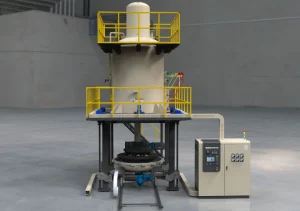
Operation mode dictates the workflow efficiency and production volume of the thermal process. Batch furnaces, including bell-type, box, and elevator designs, process specific loads through a complete thermal cycle before unloading. These systems offer high flexibility for diverse heat treatment recipes and smaller production lots.
2.1 Batch vs Continuous Systems
Continuous industrial furnace systems, such as pusher-type, walking beam, and roller hearth furnaces, move materials through heated zones at a constant rate. This configuration is engineered for high-volume production where consistent throughput and temperature uniformity are critical. Rotary kilns represent a specific continuous design used for mixing and heating bulk materials like cement and minerals.
3. Classification by Atmosphere and Environment
The atmosphere within an industrial furnace determines the surface chemistry and quality of the processed material. Air atmosphere furnaces are suitable for standard heating, but controlled atmosphere furnaces are necessary to prevent oxidation or to facilitate chemical reactions like carburizing. Inert atmosphere systems use argon or nitrogen to protect reactive metals during high-temperature cycles.
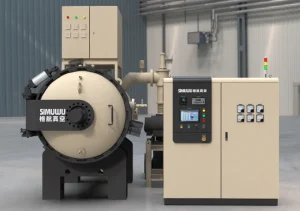
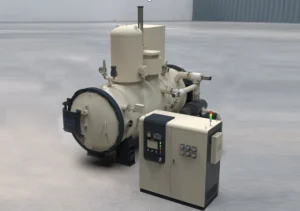
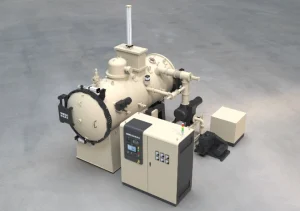
Vacuum furnace technology operates under significantly reduced pressure to eliminate contaminants and prevent oxidation entirely. This environment is critical for high-performance aerospace and medical components. Vacuum environments allow for processes like high-temperature vacuum brazing and specialized sintering without the risk of atmospheric interference.
4. Industrial Furnace Application Categories
Metallurgical furnaces are the most common industrial furnace type, encompassing blast furnaces for iron ore reduction and reheating furnaces for steel billets. Heat treatment furnaces are engineered for specific mechanical property adjustments, including annealing, hardening, and tempering. These units must maintain tight temperature tolerances to meet strict engineering standards.
Chemical and ceramic processing requires specialized kilns and cracking furnaces. Tunnel kilns provide continuous firing for refractories, while cracking and reforming furnaces facilitate thermal and catalytic processes in petrochemical refining. Each application defines the necessary thermal gradient and residence time required for the specific material transformation.
5. Temperature Range and Design Characteristics
Industrial furnace classification also relies on the maximum operating temperature required for the process. Low-temperature furnaces operate below 650°C and are typically utilized for drying and curing. Medium-temperature systems, ranging from 650°C to 1150°C, cover the majority of standard industrial heat treatment applications.
High-temperature furnaces exceed 1150°C and are necessary for sintering, melting, and specialized metallurgical transformations. Modern furnace design focuses on energy efficiency through regenerative burners and advanced low-NOx combustion systems. Improved insulation materials and automated control systems further enhance thermal efficiency and regulatory compliance in modern manufacturing environments.
6. FAQ
Q: What are the primary advantages of electric industrial furnaces?
A: Electric furnaces offer superior temperature precision, higher energy efficiency at the point of use, and a cleaner operating environment compared to fuel-fired systems. They eliminate combustion gases, making them ideal for high-purity processes.
Q: How does a vacuum furnace differ from a standard controlled atmosphere furnace?
A: A vacuum furnace removes air to achieve very low pressure, preventing all oxidation and allowing for cleaner surface finishes. Controlled atmosphere furnaces replace air with specific gases, which can still contain trace impurities.
Q: When should a walking beam furnace be selected over a pusher-type furnace?
A: Walking beam furnaces are preferred for materials that require high temperature uniformity and surface protection, as they minimize contact between the material and the furnace hearth.
Q: What is the purpose of a fluidized bed furnace?
A: Fluidized bed furnaces use a gas flow to suspend solid particles, creating a medium that behaves like a fluid. This ensures extremely rapid and uniform heat transfer to the workpiece.
Q: How do regenerative burners improve industrial furnace efficiency?
A: Regenerative burners capture waste heat from exhaust gases and use it to preheat incoming combustion air, significantly reducing fuel consumption and operational costs.
Selecting the optimal industrial furnace configuration is a critical decision that impacts production quality and operational costs. For detailed specifications on high-performance vacuum systems, including vacuum gas quenching and sintering technology, technical consultation is recommended.
Contact us for technical support.
-
Vacuum Brazing Joint Quality: Dynamics & Design
2026-04-03
-
Important Applications of Low-Temperature Vacuum Aluminum Brazing Furnace
2026-04-02
-
The Role of Partial Pressure Control in High-Temperature Vacuum Sintering
2026-04-01
-
40Cr Vacuum Oil Quenching Process
2026-03-31
-
Vacuum vs Atmospheric Furnace Environment Comparison
2026-03-27