I. Material Characteristics
vacuum oil quenching of 4140 steel (AISI/SAE 4140) is the standard process for achieving high hardness, high strength, low distortion, and freedom from oxidation and decarburization. The core of this process consists of vacuum soaking at 840–860°C, followed by rapid oil quenching and immediate tempering. Hardenability: Medium-carbon, low-alloy steel; oil quenching is capable of through-hardening sections ≤ 50 mm.
Vacuum Oil Quenching Objective: Achieve HRC 55–60 after quenching; adjust hardness to the HRC 28–55 range after tempering, as required.
II. General Vacuum Oil Quenching Process
1. Furnace Loading and Pre-treatment
Workpieces must be thoroughly degreased, derusted, and deburred to prevent contamination and the formation of soft spots under vacuum conditions.
- Fixturing: Slender parts should be suspended vertically; thin sheets and disc-shaped parts should be spaced apart to ensure uniform heating and cooling.
- Furnace Temperature Uniformity: Within ±5°C.
2. Vacuum Evacuation
- Working Vacuum: Evacuate using a diffusion pump to approximately 5 × 10⁻³ Pa.
- Purpose: To completely remove oxygen, thereby preventing oxidation and decarburization, and to maintain a bright surface finish.
3. Heating and Soaking
Preheating (Optional; for large or complex parts): 550–600°C, held for 30–60 minutes, to reduce thermal stress and deformation.
- Heating Rate: 5–15°C/min (use a slower rate for large parts, a faster rate for small parts).
- Quenching Temperature: 840–860°C (850°C recommended).
- Soaking Time: Calculated based on the effective thickness.
- Vacuum Furnace: 1.2–1.5 min/mm (e.g., for a 25 mm thickness → 30–38 minutes).
Ensure that the core and surface reach the same temperature and that complete austenitization is achieved.
Maintain a high vacuum throughout the entire soaking period.
4. Vacuum Oil Quenching (Cooling)
Control the transfer time from the heating chamber to the oil tank within a reasonable range to prevent premature cooling.
- Quenching Oil: Fast-quenching oil.
- Oil Temperature: 40–80°C (60°C recommended); temperatures > 120°C are strictly prohibited.
- Cooling performance should be tested periodically in accordance with ISO 9950.
- Cooling Method: Workpieces must be fully submerged; the oil tank must be vigorously agitated to ensure uniform cooling.
- Cooling Termination: Remove workpieces from the furnace when they have cooled to 150–250°C (at which point oil fumes will be visible, but the oil will not ignite); allowing the parts to cool completely to room temperature in the oil is strictly prohibited.
- Temper immediately after quenching (within ≤ 2 hours) to prevent cracking.
5. Tempering
- Low-Temperature Tempering (150–250°C): HRC 50–55 HRC: High hardness, excellent wear resistance, moderate toughness (Molds / Wear-resistant parts)
- Medium-temperature tempering (350–500°C): 38–48 HRC; balanced strength, toughness, and fatigue resistance (Shafts / Gears / Connecting rods)
- High-temperature tempering (550–650°C): 28–35 HRC; optimal overall mechanical properties (High-strength structural components)
- Tempering holding time: 1–2 hours (adjust based on thickness); air cool after tempering.
III. Advantages of Vacuum Oil Quenching
- No oxidation, no decarburization, bright surface finish
- Minimal deformation; suitable for precision components
- Stable quality; suitable for mass production
- Environmentally friendly and safe
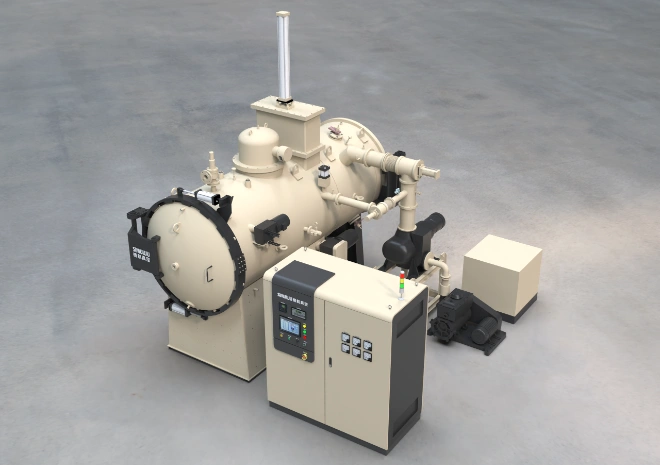
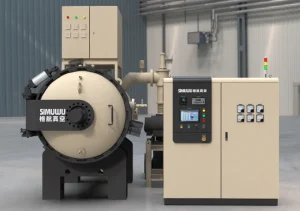
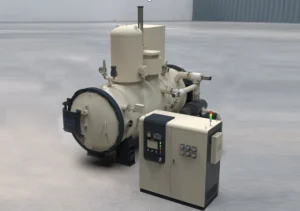
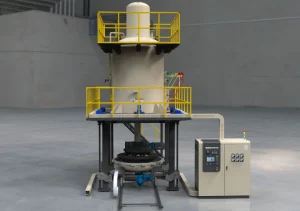
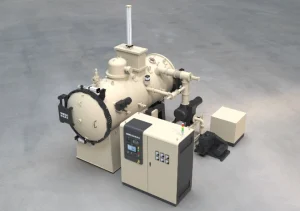
SIMUWU‘s VQGQ series vacuum oil quenching furnace is a high-quality product for vacuum heat treatment processes of materials such as carbon steel, tool steel, mold steel, high-speed steel, and ultra-high-strength steel. Excellent temperature control accuracy and uniformity ensure the effective vacuum quenching process. SIMUWU focuses on the manufacturing of vacuum furnaces and has more than ten years of relevant experience, enjoying a good reputation in the field of vacuum furnace manufacturing. The product line includes vacuum gas quenching furnaces, vacuum oil quenching furnaces, and vacuum brazing furnaces, which are widely sold to developed and developing countries.
If you would like to learn more about vacuum furnace equipment, please contact us, and our company will provide you with a satisfactory solution.
-

Digital vs. Analog Mass Flow Controllers in Metallurgy
2026-04-07
-
Vacuum Brazing Joint Quality: Dynamics & Design
2026-04-03
-
Important Applications of Low-Temperature Vacuum Aluminum Brazing Furnace
2026-04-02
-
The Role of Partial Pressure Control in High-Temperature Vacuum Sintering
2026-04-01
-
40Cr Vacuum Oil Quenching Process
2026-03-31