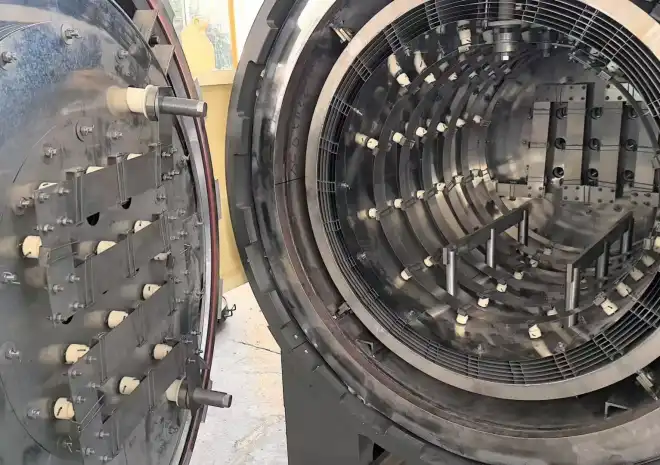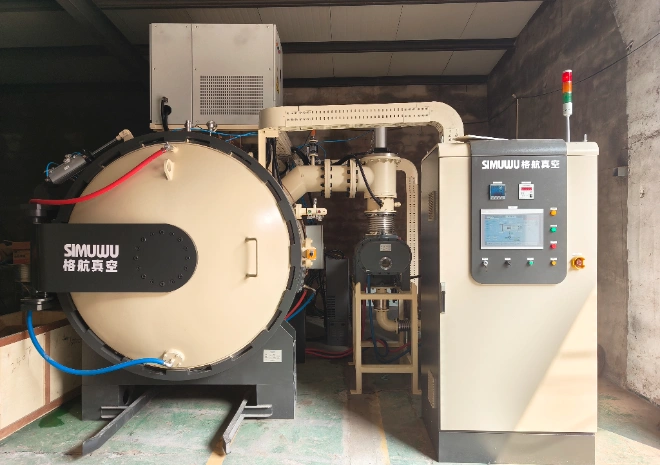
RVGQ-557 vacuum gas-quenching furnace with an air-duct structure
While dual-chamber vacuum oil-quenching furnaces can handle the vast majority of standard metal molds, vacuum gas-quenching furnaces utilizing a duct-based airflow structure are often preferred for products with strict dimensional stability requirements.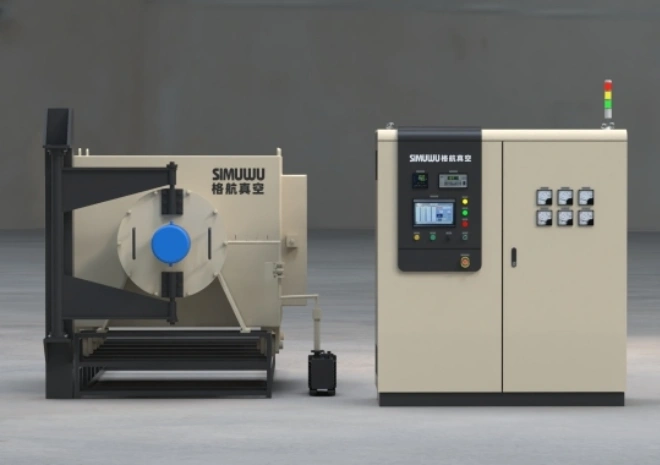
The Role of Nitrogen Partial Pressure in Vacuum Furnaces
The controlled introduction of nitrogen into the vacuum furnace—and the regulation of its partial pressure—serves as a crucial method for adjusting the furnace atmosphere, enhancing heat transfer, and improving the quality of the heat treatment.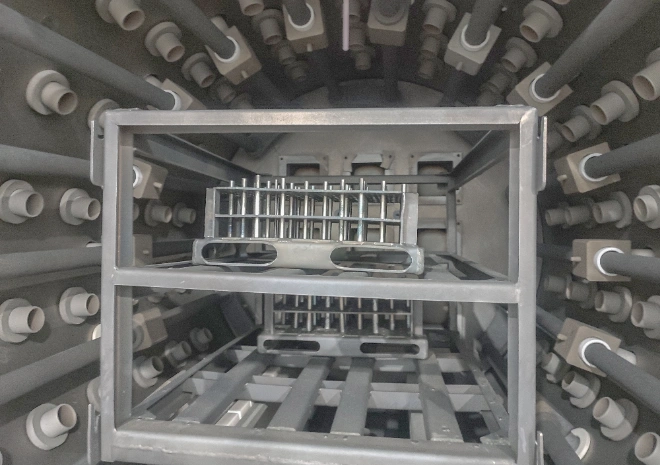
Factors Affecting the Quality of Vacuum Heat Treatment
Many factors influence the quality of vacuum heat treatment for workpieces; these can be understood through several aspects: materials, equipment, process, furnace loading, cooling, and post-processing.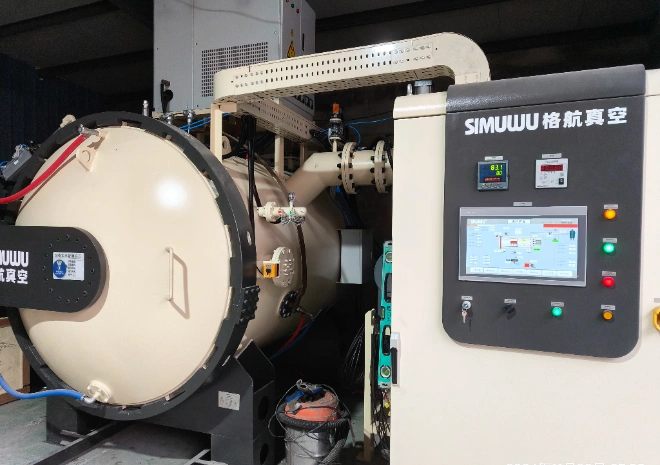
Application of RVGQ-557 Vacuum Gas Quenching Furnace—Gas Quenching and Tempering
The vacuum gas quenching furnace is a piece of equipment used for the heat treatment of metal materials, widely applied in sectors such as aerospace, automotive manufacturing, and mold making.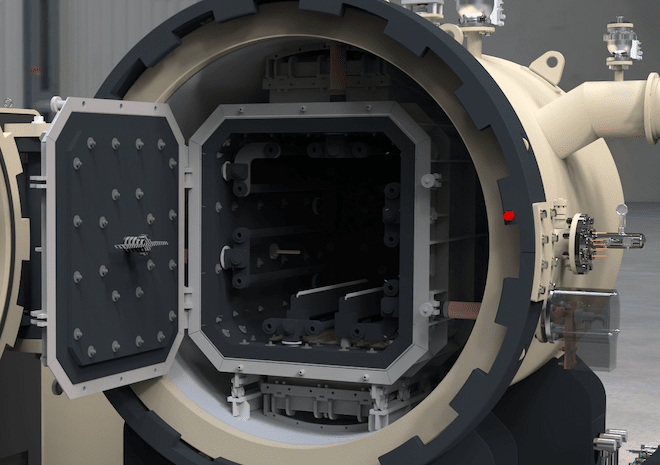
The Role and Benefits of Equipping Vacuum Furnaces with Dew Point Meters
The dew point is a key indicator of moisture content in a gas; it is defined as the temperature at which condensation begins to form when a gas is cooled at a constant pressure and constant water vapor content.